Does your investing app tilt the scales toward trust?
Not every investing app is built to put your interests first. Learn what separates trustworthy ones from the rest.Updated June 8, 2026 • 5 min read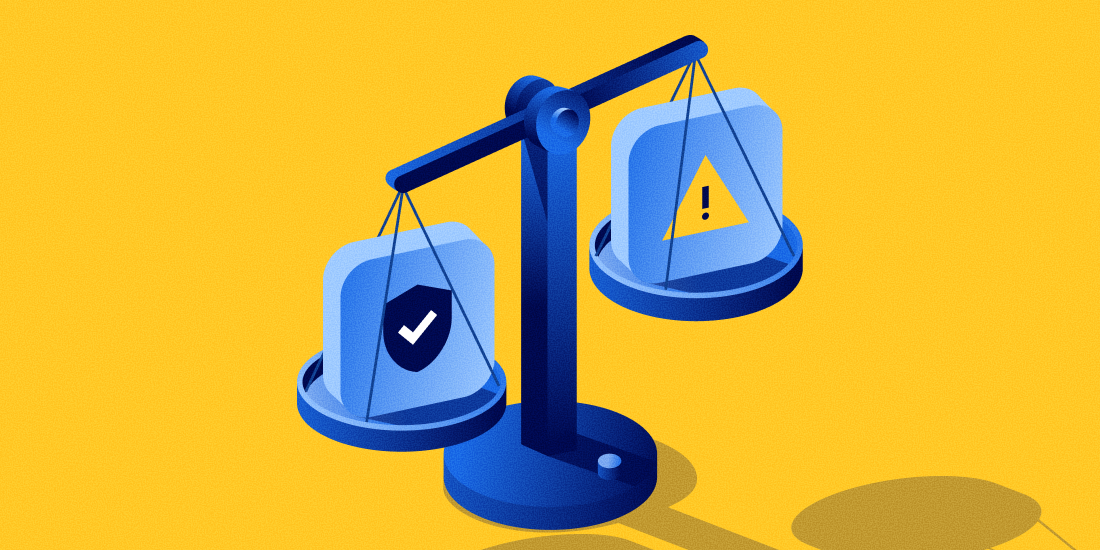

- Modern investing apps make it easy to get started, but the best ones also work to keep you on track without pulling you back in every day.
- Some apps are designed to keep you hooked and trading, regardless of your wellbeing.
- Not all advisors hold themselves to the same legal standard. Fiduciary advisors are legally required to act in your best interests.
- Before trusting an app with your money, find out whether it operates as a fiduciary. It's one of the most important questions you can ask.
It's easier than ever to start investing. Take a scroll through the app store and you'll find no shortage of apps promising 10-minute, 10-buck setups, and a lot of them deliver on that. But here’s a question worth sitting with:
What happens after you get set up?
The best ones, it turns out, are a little boring. They get you invested, keep you on track, and then largely get out of the way. They're not trying to pull you back in every day. They just quietly do their job, so you can get on with your life.
That's a higher bar than it sounds, and not every app clears it. Some are designed more like social media platforms than financial tools, built to keep you engaged in ways that can work against your long-term interests. Here's what “genuinely good” looks like across three dimensions: usability, design philosophy, and accountability.
A good investing app should simplify your life, not complicate it
A new generation of app-first advisors has raised the bar on what getting started looks like. No glitchy websites, no endless forms. Just a clean, guided setup that walks you through which accounts make sense for which goals.
But the real test isn't the onboarding flow. It's what happens next, and that looks different depending on how hands-on you want to be.
Some people prefer to pick their own stocks and funds. Others would rather borrow expertise and let automation handle the rest. Neither is objectively better; it boils down to your goals, your risk tolerance, and honestly, how much you enjoy thinking about this stuff. The right app should accommodate both, with tools that genuinely serve each style rather than steer you toward whatever's most profitable for them.

Some apps are designed to keep you hooked—here's why that's a problem
Not every investing app shares that philosophy. Some have more in common with the social apps on your home screen, optimized for engagement rather than healthy outcomes.
You've probably seen the signs: push notifications with outsized urgency. Streaks that reward frequent trading. Animations that make buying and selling feel fun, even when doing nothing would serve you better.
Oftentimes this isn’t accidental. Higher engagement often leads to higher trading activity, and more trading generates more revenue for brokers. But it can also generate unnecessary risk and tax consequences. Many apps won't tell you that until tax season.
That's why Betterment offers a Tax Impact Preview, so you can see the estimated tax consequences of a sell decision before you make it, not months later when you're filing. It's a small feature that reflects a bigger philosophy: Transparency before a transaction is just as important as a frictionless one.
The one word that tells you whose side your investing app is on
There's a legal framework that cuts through a lot of this: the fiduciary standard.
A fiduciary is an advisor who's legally bound to act in your best interest, not theirs. That means putting your bottom line ahead of their own, avoiding or disclosing conflicts of interest, and seeking out the best execution for your trades.
Not all investing apps operate as fiduciaries, however. An app can market itself as your financial partner without being legally obligated to act like one, keeping quiet on tax implications, pushing their own funds over better alternatives, or hijacking your attention and profiting from your hyperactivity.
The fiduciary label doesn't guarantee perfection, but it does mean there's a legal floor, a baseline of accountability. Before trusting any app with your money, it's worth asking whether they're a fiduciary. It's a simple question, and the answer tells you a lot.
The best investing app turns down the noise, and turns up the trust
The right investing app should do more than look good and load fast. It should work for you, not against you, and mostly leave you alone.
Ease of use matters. Fiduciary accountability matters. But so does something harder to measure: whether the app is designed to serve your financial goals or its own engagement metrics. The best ones treat your attention as something to respect, not exploit.
Betterment is a fiduciary. We're legally required to put your interests first. And we've tried to build an experience that reflects that: one that helps you get invested, stay invested, and worry less about money. It may be a little boring at times, but that’s why you have other apps on your home screen.
Dial up the trust in your investing.
Sara works with clients to provide personalized financial advice and help simplify complex financial strategies. Prior to joining Betterment, she spent nine years servicing high net worth clientele by developing comprehensive financial plans and investment strategies.