401K Participants

-
![]()
401(k) hardship withdrawals: What plan participants need to know
401(k) hardship withdrawals: What plan participants need to know A plain-language guide to hardship withdrawal eligibility, costs, and the request process for 401(k) plan participants weighing an early withdrawal.Retirement savings are meant to stay untouched for decades, but according to Vanguard's How America Saves report, 401(k) hardship withdrawals hit a record high in 2025, with 6% of plan participants in the report requesting one, up from 4.8% the year before. If you're facing a medical bill, an eviction notice, or another financial emergency, your 401(k) can feel like the only place left to turn. Before you request a hardship withdrawal, it helps to know exactly what qualifies, what it costs, and how it compares to other options. This guide walks through the IRS rules step by step, using plain language, so you can make an informed decision about your own plan. What is a 401(k) hardship withdrawal? A 401(k) hardship withdrawal is a distribution a 401(k) plan permits, before age 59½ and without the usual restrictions, when a plan participant has an "immediate and heavy financial need." You can learn more about what qualifies as an emergency here: IRS Retirement Topics: Hardship Distributions. This is money you’ve already contributed, not a new benefit, and once it's withdrawn, it's gone from the account for good. Plans aren't required to offer hardship withdrawals at all, and many that offer them only allow you to withdraw for specific reasons, so the first step is always checking your own plan document. A hardship withdrawal is easy to confuse with a 401(k) loan, but the two work very differently: 401(k) loan Hardship withdrawal Repayment Required, with interest, usually through payroll deduction Not repaid, and can reduces your balance Taxes Timing and requirements vary by plan. A compliant loan generally avoids current taxation, but repayment requirements and nonpayment consequences apply. Taxed as ordinary income in the year taken 10% penalty None Usually applies if you're under 59½ Approval speed Often fast; no proof of hardship required Slower; requires documentation of the qualifying need What qualifies as a hardship? (IRS safe harbor reasons) Most plans use the IRS's "safe harbor" list to decide what counts as a hardship. If your need fits one of these seven categories, it's treated as an immediate and heavy financial need, per IRS.gov's hardship distribution FAQs: Medical care expenses: Unreimbursed costs for you, your spouse, dependents, or a plan beneficiary. Purchase of a primary home: Costs directly tied to buying your principal residence (this excludes ongoing mortgage payments). Tuition and education costs: Tuition, fees, and room and board for the next 12 months of postsecondary education for you, your spouse, children, or dependents. Eviction or foreclosure prevention: Payments necessary to prevent eviction from, or foreclosure on, your principal residence. Funeral or burial expenses: Costs for the funeral of a parent, spouse, child, dependent, or beneficiary. Home repair costs: Certain expenses to repair casualty damage to your principal residence. Disaster-related expenses: Losses connected to a federally declared disaster in an area where you live or work. Employers aren't required to offer every category on this list, and some plans allow additional reasons beyond it. Log in to your Betterment at Work account or check your summary plan description to see exactly which hardship reasons your plan permits. How much can you withdraw? You can withdraw only the amount necessary to satisfy your financial need, and no more. Under current IRS rules, that amount may also include a reasonable estimate of the taxes and penalties the withdrawal itself will trigger. Whether you need to exhaust other resources first, such as savings or a plan loan, depends on your plan. The IRS no longer requires participants to take all available plan loans before requesting a hardship withdrawal, but some employers still build that requirement into their plan document. What does a hardship withdrawal cost you? (Taxes and penalties) A hardship withdrawal is taxed as ordinary income in the year you take it. If you're under 59½, it typically also carries an additional 10% early withdrawal penalty on top of that income tax. Exceptions to the 10% penalty include (per IRS Retirement Topics: Exceptions to Tax on Early Distributions): Unreimbursed medical expenses above 7.5% of your adjusted gross income Total and permanent disability Death of the participant An IRS levy on the plan Certain birth or adoption expenses, up to $5,000 A federally declared disaster Domestic abuse, up to $10,000 (SECURE 2.0) Some items listed above may be separate distribution provisions rather than standard hardship distributions Beyond the immediate tax bill, the bigger cost is often lost growth. As a hypothetical example, $10,000 left invested for 30 years at an assumed 7% average annual return would grow to roughly $76,000. So a $10,000 withdrawal at age 35 could mean giving up that growth by age 65. This example is for illustrative purposes only, is not a projection or guarantee of future results, and does not reflect fees or taxes. Do you have to pay back a hardship withdrawal? No. Unlike a 401(k) loan, a hardship withdrawal is never repaid and can't be rolled into another retirement account. Since final regulations took effect in 2019, plans are also no longer required to suspend your contributions after a hardship withdrawal, so in most cases you can keep contributing to your 401(k) right away. How to request a hardship withdrawal Check your plan's eligibility rules. Confirm your plan offers hardship withdrawals and that your reason falls within its permitted categories. Gather documentation. Common examples include medical bills, an eviction or foreclosure notice, a funeral invoice, or a home purchase contract. Submit your request. Betterment at Work participants can start a hardship withdrawal request directly from their account dashboard. Wait for processing. Most requests are reviewed and processed within a few business days once documentation is complete, though timelines vary by plan. You can check your specific plan's hardship rules, permitted categories, and documentation requirements anytime through your Betterment at Work participant portal. Alternatives to consider before withdrawing A hardship withdrawal is permanent, so it's worth comparing it against other options first. None of these will fit every situation, but each is worth a look: 401(k) loan: Lets you borrow from your own balance and repay it with interest, typically without triggering taxes or penalties if repaid on schedule. Emergency savings or an HSA: If you have a dedicated emergency fund or a health savings account, these dollars are often more accessible and don't reduce your retirement balance. Other low-cost borrowing: A personal loan, a 0% medical payment plan, or a hardship program from your creditor may cost less over time than the taxes, penalty, and lost growth of a withdrawal. The right choice depends on your specific need, timeline, and financial picture, so it's worth weighing the full cost of each option before deciding. Why Betterment at Work Financial stress doesn't stay contained to one part of an employee's life, and a confusing withdrawal process only adds to it. Betterment at Work gives plan participants a clear view of their plan's hardship rules, a straightforward way to request a distribution, and access to financial coaching for the bigger picture around a difficult financial moment. Ready to offer your workforce an award-winning retirement plan? Check out Betterment at Work today. -
![]()
How much should you contribute to your 401(k) in your 20s?
How much should you contribute to your 401(k) in your 20s? Not sure how much to put in your 401(k) in your 20s? Capture the employer match, build toward 10-15%, and let time do the heavy lifting for you. If you're wondering how much you should contribute to your 401(k) in your 20s, you're already ahead of the game. For many, the hard part is simply starting. But between rent, student loans, and a retirement that's 40-plus years away, it's easy to freeze up on the actual number. Here's the reassuring part: In your 20s, the exact percentage matters far less than two things: Grabbing any matching contributions that your employer offers. Giving your contributions as much time as possible to grow. (Yes, the 2026 employee limit is $24,500, but almost no one starts there.) Below, we'll walk through a simple order of operations: Capture your match, work toward the 10-15% rule of thumb, and balance saving against paying down debt—so you can land on a number you'll actually stick with. Start with the employer match Not every employer offers a 401(k), so if yours does, treat it as a genuine perk worth using. And if your plan includes a matching contribution, that's the single best place to start. A match means your employer adds their own money to your account based on what you put in. Matching formulas vary: A common one is 50 cents on the dollar up to 6% of pay; another is dollar-for-dollar up to 3%. The details are in your plan, so it's worth checking yours. If you have a Betterment 401(k), you can log in now. The rule here is simple: If you can, contribute at least enough to capture your entire match. Skipping it is like turning down part of your paycheck. Even if you do nothing else this year, do this. One nuance to keep in mind is that some employer contributions vest over time, meaning you earn full ownership the longer you stay (for example, 25% per year over four years). It's good to understand your plan's schedule, but it doesn't change the math on grabbing the match. Understanding the 10-15% rule of thumb You'll often hear that you should put 10-15% of your income toward retirement. It's a useful target, but it's a guideline, not a finish line, and it often already includes your employer's match. When you're juggling early-career pay and/or potential debt like college loans, 10-15% can feel out of reach. That's okay. A good first step is to start small (2 or 3%), which you'll feel less because the money comes out of your paycheck before it ever hits your checking account. Here's how to ease in: Start at a rate you won't notice much. Even 2-3% gets your money invested, starts capturing the employer match, and establishes the habit. Escalate with every raise. Bump your contribution by at least 1% each time your pay goes up. Many plans can do this automatically with auto-escalation. Aim for a number you can sustain for decades. Consistency beats a high rate you can't keep up. As for the cap: The IRS lets employees contribute up to $24,500 in 2026, but in your 20s the goal isn't the maximum; it's a percentage you can keep up while still covering today's bills. Should you pay off debt or contribute to your 401(k)? This is the trade-off that stalls a lot of 20-somethings, and the honest answer is: It depends on the interest rate, but you rarely have to choose all-or-nothing. A simple order of operations can help you put each dollar where it does the most good: Get your full employer match first. Don't leave money on the table—this almost always comes before extra debt payoff. Make minimum payments on everything. Missing them triggers fees and dings your credit, so treat minimums as fixed expenses. Attack high-interest debt. Credit cards and other high-rate balances can cost you dearly. Every dollar of interest you avoid is a dollar saved. Build a starter emergency fund. Saving for three to six months' worth of expenses can help keep a surprise cost from sending you right back into debt. Ramp up retirement savings and tackle low-interest debt. Work toward that 10-15% target while paying down lower-rate balances (like many student loans) at a comfortable pace. Why this order? Pouring every spare dollar into debt while saving nothing can trap you in a cycle. One unexpected expense can tip you into borrowing again. Balancing the two is what breaks the loop. For more, see Betterment's guides on managing debt and saving at the same time and sizing up your emergency fund. Why starting now beats starting big: Time is in your favor It's about time in the market, not timing the market. Because of compound interest, money you invest in your 20s has decades to grow, and starting earlier can outweigh contributing more later. Consider a hypothetical: Natalie and Nathan both earn $60,000 and contribute 2% ($100/month) at an assumed 7% return. Natalie starts today but stops after 10 years. Nathan waits 10 years, then contributes steadily from there on. Decades later, Natalie's balance (about $200,267) still edges out Nathan's (about $180,807), even though she set money aside for fewer years. Starting early did the heavy lifting. Source: Betterment. Hypothetical illustration for educational purposes only; assumes a 7% annual return and does not reflect any specific investment or Betterment product. Returns are not guaranteed and actual results will vary. And you don't need a big paycheck to benefit. Small, automated amounts add up over time: Hypothetical example for educational purposes. Does not represent the performance of any specific investment, portfolio, or Betterment product. Assumes a constant 7% annual nominal return, compounded monthly, with recurring contributions of $15 per week (approximated as a level monthly contribution) to a tax‑deferred investment account, and no employer contributions; returns are not guaranteed and actual results will vary. Figures exclude investment, plan, and advisory fees, taxes during accumulation, and inflation; returns are not guaranteed and actual results will vary. This example is not personalized advice and not a prediction of future results. Investing involves risk, taxes and penalties may apply upon distribution. The takeaway: The dollar amount you start with matters far less than how early and how consistently you invest. Automating your contributions makes "consistent" the default and frees you from having to make the decision every month. (New to this? Start with Betterment's guide to investing in your 20s.) Start growing your 401(k) savings with Betterment Betterment is built to make all of this feel automatic. If your employer offers a 401(k) through Betterment, you can set a contribution rate, choose a portfolio matched to your timeline, and let it run—with auto-escalation available to nudge your rate up over time. Ready to put your 20s to work? Contribute to your 401(k) today. -
![]()
What happens to your 401(k) if you change jobs?
What happens to your 401(k) if you change jobs? Changing jobs? Your 401(k) doesn’t move with you automatically. Here are your four options—plus how to roll over an old 401(k) without triggering taxes. Starting a new job comes with a checklist—new badge, new benefits, new direct deposit. One thing that’s easy to overlook: the 401(k) you’re leaving behind. So what happens to your 401(k) when you change jobs? The short answer is nothing, until you make a move. Your old balance doesn’t disappear, and it doesn’t automatically follow you to your next employer. It sits in your former plan, waiting for a decision, and that decision can affect both your taxes and your long-term savings. Below, we’ll walk through exactly what happens on your last day, the four options you’ll choose from, and a step-by-step plan for moving your money without a surprise tax bill. What happens to your 401(k) on your last day? When you leave your job, you have options for your old 401(k), but before you decide, here’s what happens to your account. Your contributions stop, but your balance stays put Once your final paycheck clears, new contributions stop—both yours and any employer match. But your balance stays invested in the plan. You don’t lose it, and it keeps rising and falling with the market just as it did before. Vesting: What’s actually yours The money you contributed is yours from day one, and so is any money you have rolled in from a previous account. Employer contributions, like a match, may be subject to a vesting schedule, which is a timeline you have to stay employed in order to fully earn. Two common types: Cliff vesting: You’re 0% vested until you hit a milestone, then 100% all at once. For example, you might get nothing for three years, then become fully vested on your three-year anniversary. Leave at two years and 11 months, and you could forfeit the entire match. Federal law caps cliff vesting at three years for these contributions. Graded vesting: You earn ownership gradually. A common schedule vests 20% after year two, then another 20% each year, reaching 100% after six years. Federal law caps graded vesting at six years. Check your plan’s vesting schedule before you give notice. If you’re close to a milestone, your departure date could be worth thousands of dollars. How long before your old employer acts? There’s usually no need to rush, but “no rush” doesn’t mean “forever.” Plans typically send paperwork explaining your options within a few weeks of your departure, and they may set deadlines for smaller balances. Read anything you receive instead of letting it pile up. Small balances can be moved without your sign-off If your vested balance is small, your former employer can move it out of the plan for you. This is called a force-out, and it must be enabled in your plan (you can check in the Summary Plan Description). Under current rules—raised up to $7,000 by the SECURE 2.0 Act—it generally works like this: Under $1,000: The plan can cash you out and mail a check, which can trigger taxes and start the 60-day rollover clock (more on that below). $1,000 to $5,000 (or up to $7,000 if opted for by plan): Provided your plan includes force-outs, you can roll your balance into an IRA in your name automatically, often into a low-yield default option you didn’t choose. Over $7,000: The plan generally has to leave your money where it is unless you choose to move it. Some plans set a lower threshold (you may still see $5,000 or as low as $1,000), so read any notice carefully. The takeaway: small balances are exactly the ones people forget—and the ones most likely to be moved into an account you didn’t pick. How do you decide what’s right for you? The best move depends on your balance, your new plan, and how hands-on you want to be. Run through these questions: How big is the balance? Very small balances can be forced out. Act before your old plan decides for you. Do you want more investment choices? IRAs usually offer a wider range, but your 401(k) may offer cheaper investment options you'd lose access to. How important is creditor protection? A 401(k) generally offers strong protection. If you hold employer stock in your 401(k), rolling it over could mean losing special tax treatment on those shares, which could be worth checking before you move it. Do you have multiple old 401(k)s? Consolidating into one IRA or your current 401(k) can make it easier to track. How to actually do a 401(k) rollover Rolling over a 401(k) can be simple, but knowing the steps ahead of time can help avoid costly mistakes. Direct vs. indirect rollover (and why indirect can be risky) You have two types of rollovers to choose from: Direct rollover (recommended): Your old plan sends the money straight to your new 401(k) or IRA—often as a check made out to the receiving account, not to you. No taxes are withheld, and there’s nothing for you to track. Indirect rollover, or 60-day rollover (riskier): The plan sends the money to you personally, rather than making the check payable to your new 401(k), IRA, or its custodian. You generally have 60 days to deposit all or part of it into another eligible retirement account. Indirect rollovers can be risky, because: They are generally subject to 20% mandatory federal income tax withholding. To roll over the full amount, you have to replace that 20% from your own pocket—otherwise it’s treated as a taxable distribution (and may face the 10% penalty if you’re under 59½). If you miss the 60-day deadline, the taxable portion of the distribution may become taxable. Whenever possible, choose a direct rollover and skip these traps. How to do a 401(k) rollover in 3 steps Select your new account: Decide where the money is going—your new 401(k) or an IRA—and open that account if you don’t have one yet. Complete rollover request for old 401(k): Contact your old plan’s administrator and request a direct rollover. There will be a paper or digital form to complete. Provide the receiving account details: account number, mailing instructions, and how to make out the check. Confirm whether any of your balances are Roth or pre-tax so they land in the right type of account. Verify that your funds have arrived: Watch for the funds to arrive, then make sure they’re invested. Rollover money sometimes shows up as uninvested cash. What is the timeline for a 401(k) rollover? Most rollovers take about two to four weeks from request to funding, depending on the institutions. Some plans still mail paper checks, so build in a little buffer and keep an eye out for anything that needs your signature. 401(k) rollover mistakes to avoid Forgetting the account exists. Old 401(k)s are easy to lose track of after a move or an email change. Write down where it is and set a reminder to deal with it. Missing the 60-day window. With an indirect rollover, blowing the deadline can turn your retirement savings into a taxable event. A direct rollover avoids this entirely. Assuming your new job “absorbs” your old balance. Auto-enrollment in your new 401(k) only affects new contributions. It never pulls in your old account—you have to start the rollover yourself. Cashing out “just for now.” It can feel harmless, but the taxes, the potential 10% penalty, and the lost years of compounding make it often the most expensive option. Why roll over with Betterment? Betterment is built to make moving and managing your retirement money straightforward—whether you’re consolidating a few scattered accounts or rolling one into an IRA or 401(k). You get low-cost, diversified portfolios, automated tax-smart tools, and support walking through a direct rollover to help you steer clear of the risks of an indirect rollover. Ready to give your old 401(k) a new home? Roll over with Betterment today. -
![]()
New rules proposed for 401(k)s and what it could mean for retirement savings
New rules proposed for 401(k)s and what it could mean for retirement savings The Department of Labor proposed new rules for how fiduciaries select investments for your 401(k). We’re here to break down what this could mean for your retirement savings. There's been a lot of buzz lately about new rules for 401(k) plans. If you're wondering what it all means for your retirement account, we’re here to break things down. What does this mean for 401(k) plans? In March, the U.S. Department of Labor (DOL) proposed a new rule implementing the Trump administration’s executive order “to democratize access to alternative assets in 401(k) plans.” Instead of focusing on a specific investment type, the new rule would change how investments get evaluated, not which investments your plan must offer. Think of it less as "your 401(k) is about to look wildly different" and more as "the rulebook for how investments get picked just got clearer." The proposed rule lays out how fiduciaries should choose investments, across six metrics: performance, fees, liquidity, valuation, benchmarking, and complexity. What could this mean for your investment options? Here's the good news: Betterment’s investment process is built around the same factors the DOL identifies. We evaluate risk-adjusted performance, prioritize low-cost ETFs with transparent valuations and readily available benchmarks, stress-test portfolio strategies, and automatically monitor portfolios and rebalance as participants approach their investment time horizons. We apply this disciplined process to every investment decision we make. Betterment will continue to carefully consider all types of investments, rigorously select and monitor options as a fiduciary, while preserving the flexibility participants desire. That same disciplined process also shapes what we don't offer. Weighed against factors like fees, liquidity, and complexity, we will continue not to offer alternative investments such as crypto and private assets. We’ll continue to regularly review investments with appropriate oversight and governance to meet our due diligence and fiduciary duty in selecting investments suitable for participants' long-term investment objectives. What happens next The proposed rule is open for comment until June 1, 2026, with a final rule expected later in the year. Clearer rules are good for everyone: They give fiduciaries the confidence to act, encourage competition among service providers, and ultimately mean better options and lower costs for participants saving for retirement. As always, we will continue to monitor ongoing developments and keep you informed as the landscape evolves. -
![]()
What is a glide path in a 401(k)?
What is a glide path in a 401(k)? Learn how Betterment’s glide path guides your 401(k) from stocks to bonds—balancing growth and security as you near retirement. Picture saving for retirement like taking a long flight. At the beginning of your journey, the plane climbs high and cruises at full speed—that’s your portfolio invested more aggressively in stocks to help your money grow. But as you get closer to your destination (retirement), the plane gradually descends for a smooth landing—that’s your portfolio shifting toward bonds and stability. That gradual shift is called a glide path. How a glide path works A glide path is the built-in strategy that shifts your investments over time. When you’re younger, your portfolio is more aggressively invested in stocks, which historically provide higher growth in comparison to bonds. As you get closer to retirement, the glide path automatically moves your portfolio toward a more conservative mix with more bonds, to help protect your savings. When you’re closer to retirement or have already retired, there’s less time for stocks to recover after a selloff before you may need to make withdrawals. ETF portfolio vs. target date fund glide paths When saving for retirement, you might come across target date funds (TDFs). Target date funds package a glide path into a single fund based on the year you plan to retire. Please note: Your employer may have opted to provide a lineup of mutual funds to invest in that includes TDFs. At Betterment, we also offer expert-built portfolios that rotate between multiple exchange traded funds (ETFs) over time, enabling a glide path. That means your investments still shift from more stocks to more bonds as you approach retirement, but your journey is personalized, so it adjusts to your needs rather than sticking to a fixed path. Why Betterment’s glide path matters Saving for retirement can feel overwhelming, but you don’t have to manage everything on your own. Whether you use a Betterment-built portfolio or a target date fund, a glide path adjusts your portfolio as you move through different stages of life. It’s designed to keep you growing when you have time on your side and protect what you’ve built as retirement gets closer. Here’s how it helps: Automatic adjustments: You don’t need to rebalance on your own, because your portfolio adjusts for you. Personalized portfolios: Your Betterment 401(k) account uses a diversified portfolio that’s built to handle turbulence—so you don’t have to worry about every bump along the way. Retirement readiness: glide paths help balance growth when you’re younger with stability as you near your destination: retirement. Every retirement journey is different, but we’re here to help you take off with confidence, adjust as you go, and arrive at retirement prepared for the next chapter. -
![]()
How to plan for the cost of living in retirement
How to plan for the cost of living in retirement Follow these three steps to plan the retirement lifestyle you want. Key takeaways for planning your retirement lifestyle: Retirees typically need 55-80% of their pre-retirement income, though actual costs vary based on lifestyle, location, and healthcare needs. The largest expenses in retirement can be where you live, travel and activities, and healthcare. It’s important to understand your income sources and create a plan for withdrawals from retirement accounts. A flexible three-category budget system can help retirees plan ahead and should include: fixed essential costs, discretionary expenses, and irregular one-off expenses. Don’t forget to factor in inflation when budgeting for expenses during retirement. What is the average spending in retirement? Retirement spending varies, but the average is almost $59,000 per year for a retired household, according to the Federal Reserve Bank of St. Louis. Keep in mind, that’s just an average. Your retirement spending could be higher or lower depending on your lifestyle choices, where you live, and your health needs. Planning tip: If you know your annual income today as a preretiree, expect to spend between 55 percent and 80 percent of that amount every year throughout retirement. That range is intended to be an estimate for planning purposes and can help you quickly gauge if you’re savings and Social Security income is large enough to cover retirement. Three steps to retirement-lifestyle planning Understand your retirement expenses. Plan your retirement income. Establish your baseline retirement budget. We’ll walk through each, then give you a simple checklist at the end. Step 1: Understand your retirement expenses It’s common for the following three items to be the largest expenses in retirement: Where you live: Housing is often one of the biggest expenses. You may need to consider downsizing or moving to a lower-cost area depending on your needs and the amount you have saved. Travel and activities: Retirement is the perfect time to explore new places and hobbies. Consider creating a “fun fund” (or a goal on Betterment’s platform) for trips and activities with a spending ceiling you can dial up/down based on markets. Healthcare: Healthcare costs can rise with age. You’ll need to factor in Medicare premiums, out-of-pocket expenses, and potential long-term care needs. (For tips, read: 5 tips to plan for healthcare costs in retirement.) In addition to housing, travel, and healthcare, you’ll want to take into account your daily living expenses for things like food, clothing, and transportation. Step 2: Plan your retirement income Income in retirement can come from many different sources. Review what is available to you and how to combine income from different sources to make your funds last as long as possible. This can get complex pretty quickly, so it could be good to work with a financial planner. Social Security payments: Social Security is a reliable income source. Decide when to start claiming benefits to maximize your payout. (See the 7 questions every retiree should ask about claiming Social Security.) Annuities: Annuities can provide a steady income stream. Consider fixed or indexed annuities to supplement your retirement income. If you’re uncertain, talk to your financial advisor to see if annuities make sense for you. Pensions: If you have a pension, understand how it fits into your retirement income. You’ll need to know your payout options and any spousal benefits. Create fixed income ladders: Use CDs, T-bills, or bond ladders to avoid selling stocks in a downturn. Laddering is an investment strategy that entails purchasing multiple financial products with different maturity dates to deliver income over time. Plan withdrawals from retirement savings: Use a retirement withdrawal strategy that balances income, taxes, and asset preservation. The right strategy can help your savings last longer and reduce your tax burden. (For more info, read: How to make tax-efficient withdrawals in retirement.) Step 3: Establish your retirement budget Now that you know your retirement cost drivers and income sources, you can create a budget to fit your lifestyle. To start, separate your retirement costs into three buckets using the table below. Begin with your fixed essential costs to make sure you can cover must-have expenses. Each year, take the time to review your three budget buckets to make sure your retirement income aligns with your expense needs and expectations. Budget pro tips: Keep these in mind to get the most out of your budget. When calculating expenses, remember to factor in inflation of around 2 to 3 percent. Consider keeping a “cash buffer” in cash-like assets (CDs, T-bills, short-term bonds), or a Cash Reserve account, that is large enough to cover 1 to 2 years of living expenses. Be flexible and adjust your discretionary spending based on markets—it’s okay to spend a bit more in good years and cut back when the market underperforms. Create a three-year plan for large travel activities to ensure your trips have funding ahead of time. Conduct an annual “retirement lifestyle audit” to refresh next year’s budget and consider potential changes to your long-term needs. Plan today to enjoy tomorrow Retirement lifestyle planning is about creating a sustainable and enjoyable future. By estimating your expenses, planning your income, and establishing a solid budget, you can navigate this new chapter with confidence. -
![]()
How to make tax-efficient withdrawals in retirement
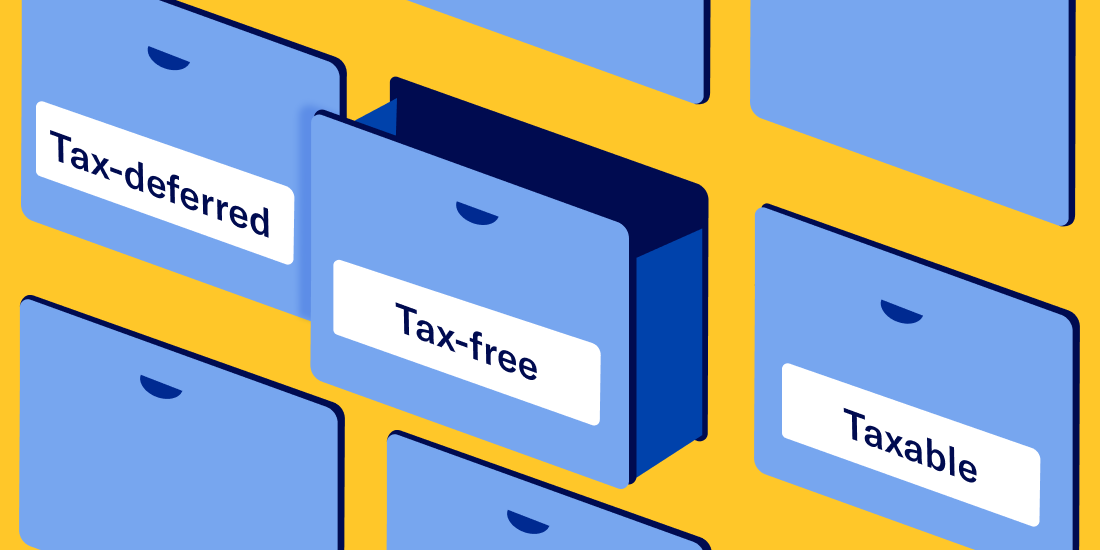
How to make tax-efficient withdrawals in retirement Thoughtful planning around retirement withdrawals can help you retain more of your money, allowing for greater comfort and freedom in retirement. Table of contents: Why tax efficiency matters in retirement How brokerage, traditional, and Roth retirement accounts are taxed Choosing your withdrawal strategy: 3 options Advanced tactics for tax-optimized withdrawals Checklist: Creating your withdrawal plan Why tax efficiency matters in retirement Taxes play a critical role in determining how long your retirement savings will last. Without a tax-aware strategy, your retirement income may not last as long as it could. Here’s what you’ll need to consider for retirement: Withdrawals from traditional retirement accounts can inadvertently push you into higher income brackets A higher tax bracket can potentially trigger steeper taxes on Social Security benefits and boost your Medicare premiums. A tax-efficient plan helps delay unnecessary taxation, potentially increasing your net income. The big takeaway: Any unnecessary taxes on your retirement withdrawals can decrease your retirement income and shorten the lifespan of your savings. How brokerage, traditional, and Roth retirement accounts are taxed Most retirees hold assets across three types of accounts, each with its own tax implications. Knowing which bucket to tap—and when—is essential to optimizing after-tax income. Taxable accounts: brokerage and savings accounts Tax-deferred accounts: traditional 401(k) and traditional IRA accounts Tax-free accounts: Roth 401(k) and Roth IRA accounts The table below outlines the differences in how the three account types impact taxes from the time of contribution to the time of withdrawal. Choosing the right mix of accounts for timing withdrawals can help shape a smoother retirement income flow and potentially minimize tax consequences. Choosing your withdrawal strategy: 3 options There are three primary retirement withdrawal strategies used to balance taxes and preserve assets: Sequential “waterfall,” Proportional, and Personalized tax-bracket-aware. These are not one-size-fits-all approaches—the right strategy depends on your finances, account types, and income goals, and can change year to year. A financial planner can help you decide what’s best for you. Option 1: Sequential “waterfall” strategy The sequential “waterfall” strategy is a simple, orderly method where you take withdrawals from one account type at a time, in this order: Taxable accounts Tax-deferred accounts Tax-free accounts This approach maximizes the growth potential of tax-advantaged funds in Roth accounts but may become rigid once required distributions begin. Additionally, retirees may end up paying more in taxes in the middle of retirement during the period when they are withdrawing from tax-deferred accounts. Remember, withdrawals from traditional 401(k)s and IRAs are taxed as ordinary income. Because of this, a proportional withdrawal strategy may be a good fit for retirees with multiple account types. Option 2: Proportional withdrawal strategy A proportional withdrawal strategy is a systematic way to take money from all of your retirement accounts each year in proportion to their current balances. Instead of draining one type of account before moving to the next, you withdraw from each account type—taxable, tax-deferred, and tax-free—based on its share of your overall portfolio. In some cases, retirees may want to draw down taxable and traditional accounts proportionally, and then withdraw from Roth accounts. A proportional withdrawal strategy may provide the following benefits: Smooths taxable income: By smoothing out your taxable income throughout retirement, you can potentially pay less tax on your Social Security benefits and lower your Medicare premiums. Controls RMD impact: Potentially reduces large required minimum distributions (RMDs) later in retirement, which can push you into a higher tax bracket. Enhances longevity: If implemented properly, a proportional withdrawal strategy can make your portfolio last longer into retirement. Here’s an example, using a $1,000,000 portfolio (in reality, more details such as Social Security payments would need to be considered). The retiree would repeat this proportional withdrawal strategy every year, recalculating the ratios as balances change over time. Option 3: Personalized tax-bracket-aware strategy A personalized, tax-bracket-aware withdrawal strategy is a custom method designed to keep your taxable income within a target tax bracket each year. The goal is to make your total tax bill in retirement more predictable and potentially lower over time. Here's how it works at a high level: Fill your target bracket—don’t exceed it: Tap tax-deferred accounts like traditional IRAs or 401(k)s just enough to reach the top of your target tax bracket (e.g., 12% or 22%), then turn to taxable brokerage or Roth accounts for any additional income needed. Revisit your strategy every year: As income from sources like Social Security or RMDs changes, adjust withdrawals to stay within your target bracket. Take advantage of low-income years: After retiring but before major income sources begin, you're often in your lowest bracket. This may be an ideal time for Roth conversions or realizing capital gains at preferential rates. This strategy requires ongoing monitoring, but it may offer strong long-term tax benefits, depending on your specific situation. A tax or financial professional can help tailor it to your needs. Pros and cons of each withdrawal strategy Strategy Pros Cons Sequential “waterfall” • Preserves tax-advantaged accounts for growth • Simple to follow in most scenarios • May trigger more taxes later in retirement from RMDs • Can lead to more taxes during mid-retirement Proportional • Smooths out taxable income over time • Reduces large year-to-year tax swings • May allow savings to last longer • More complex to manage • Does not optimize tax-advantaged accounts for growth Personalized tax-bracket-aware • Keeps income predictably within a desired tax bracket • Allows for tax optimizations using Roth conversions and capital gains in low-income years • Requires regular recalibration based on annual income, Social Security, RMDs, etc • Complex and likely requires the support of a professional tax or financial advisor Advanced tactics for tax-optimized withdrawals Depending on your situation, these advanced tactics may help you reduce your tax bill in retirement. Required minimum distributions (RMD) planning: To start, estimate your future RMD amounts based on account balances and IRS life expectancy tables to avoid unexpected tax spikes. Consider spreading withdrawals across multiple years to avoid bumping into higher tax brackets. As you plan withdrawals, it’s important to coordinate them with Social Security and Medicare to minimize taxes on benefits and avoid surcharges on Medicare premiums. Roth conversions: Roth conversions let you move money from a tax-deferred account like a traditional 401(k) to a Roth 401(k), paying taxes on the converted amount now to help reduce future RMDs and gain access to tax-free withdrawals later. Qualified Charitable Distributions (QCDs): After age 70½, you can donate up to $100,000 per year from your IRA to a qualified charity. These Qualified Charitable Distributions (QCDs) count toward RMDs but aren’t taxable, helping reduce your overall retirement tax bill. Capital gains and tax-loss harvesting: By selling appreciated assets during low-income years, you can potentially pay 0% long-term capital gains rates. Conversely, with tax-loss harvesting, you can sell investments for a loss in higher-income years to offset taxable gains or ordinary income. The more retirement accounts and sources of income that you have, the more complexity is involved. As previously mentioned, working with a tax professional or a financial advisor can help you navigate tax situations that may require a deep understanding of retirement planning. Checklist: Creating your withdrawal plan Here’s a step-by-step checklist to help you build a withdrawal plan tailored to your situation: Estimate annual spending and taxable thresholds, including Social Security and RMD timing. Take stock of your account balances across taxable, deferred, and Roth accounts Choose a withdrawal strategy, working with a tax professional if needed: Sequential “waterfall” Proportional Personalized tax-bracket-aware Plan capital gains and tax-loss harvesting, respectively, for low-income and high-income years Plan Roth conversions strategically during low-income years Schedule QCDs if giving to charity and you’re RMD-eligible Set up annual reviews to adjust for changing income, tax rules, or personal goals Be intentional and plan ahead Tax-efficient withdrawals aren’t just smart, they’re essential for sustaining retirement savings over decades. Whether you prefer a straightforward order, a balanced blend, or a highly adaptive tax-driven strategy, the key is to be intentional about when and how you access your funds. Remember, it can pay off to consult with a tax professional to learn what may work best for you, especially if you have a complex situation with multiple retirement accounts. -
![]()
Claiming Social Security: 7 questions every retiree should ask
Claiming Social Security: 7 questions every retiree should ask A short guide to understanding how Social Security works. If you’re like many Americans, Social Security is one of the most important pieces of your retirement planning. You’ve worked hard, paid into the system, and now it’s time to figure out how and when to claim the benefits you've earned. But with so many rules, options, and trade-offs, deciding when to start can feel overwhelming. Don’t worry — Betterment has you covered. This short guide breaks down seven questions to help you make sense of claiming Social Security benefits. Am I eligible for Social Security benefits? If you’ve worked and paid into Social Security for at least 10 years, you’re most likely eligible to receive benefits. The Social Security Administration tracks your work history using “credits.” You can earn up to 4 credits per year, and most people qualify for retirement benefits after earning 40 credits. You can start collecting benefits as early as age 62, but the longer you wait (up to age 70), the bigger your monthly checks will be. When can I claim Social Security? You have three main options when it comes to timing: Early retirement (age 62): You can start collecting in your early 60s, but your monthly benefit will be permanently reduced up to 30% less than if you wait until full retirement age. Full retirement age (FRA): This is between the ages of 66 and 67, depending on when you were born. You’ll get 100% of your benefit if you wait until your FRA. Delayed retirement (up to age 70): Social Security benefits increase by a certain percentage each month you delay receiving payments beyond full retirement age. These are called Delayed Retirement Credits. Quick Tip: Not sure when your FRA is? If you were born in 1960 or later, it’s age 67. Should I wait to claim Social Security? Timing your claim isn’t just about the numbers. It’s about what’s best for your life. Here are a few things to think about: Health: If you’re in poor health, it might make sense to claim early. Longevity: If you expect to live into your 80s or beyond, waiting could be a worthwhile strategy. Other income: Do you have a 401(k), pensions, IRAs, or rental income? You might not need Social Security right away, so waiting could make sense. Everyone’s situation is unique. It’s important to balance short-term needs with long-term security as you make your decision. How much will I get from Social Security? Monthly benefit amounts vary widely from person to person.. The Social Security Administration looks at multiple factors and plugs them into a formula to determine your payment. What you get depends on: Earnings history: What you earned during your 35 highest-earning years of work. Age at claiming: You can claim Social Security benefits as early as age 62, but benefits are permanently reduced if you start before your full retirement age. Delaying benefits: If you delay starting benefits beyond your full retirement age, your benefit will increase by a certain percentage each year until age 70. Other factors: Your marital status and whether you are claiming as a worker, spouse, or survivor also affect your benefit amount. Want a rough estimate? The Social Security Administration has a benefits estimator you can use to see what your checks might look like. How does Social Security work if I’m married, divorced, or widowed? If you're married, divorced, or widowed, there may be additional options to consider: Spousal benefits: If your spouse earned significantly more than you, you might be eligible for up to 50% of their benefit, even if you’ve never worked. If a spouse is also eligible for benefits based on their own work record, they will receive the higher of the two amounts. Divorced spouses: Divorced individuals can potentially receive Social Security benefits based on their ex-spouse's earnings record, even if they remarry, provided certain conditions are met. For instance, the marriage must have lasted at least 10 years and the divorced spouse must be at least 62 years old. Survivor benefits: If your spouse passes away, you may be eligible if you are age 60 or older (age 50–59 if you have a disability), were married for at least nine months before your spouse's death, and didn’t remarry before age 60 (age 50 if you have a disability). Learn more about Survivor Benefits. There are also strategies like one spouse claiming early while the other delays to boost long-term income. Will I owe taxes on my Social Security benefits? Maybe. Social Security benefits can be taxed, depending on your total income. This surprises many people, so it’s worth factoring into your retirement planning. The IRS looks at something called provisional income, which includes your adjusted gross income, nontaxable interest, and half of your Social Security benefits. Here’s a quick look at the thresholds: Percentage of Social Security income taxed? Single filers combined income thresholds Married couples filing jointly combined income thresholds 0% is taxed Less than $25,000 Less than $32,000 Up to 50% is taxed $25,000–$34,000 $32,000–$44,000 Up to 85% is taxed Greater than $34,000 Greater than $44,000 These calculations can be complex, so you may want to speak with a tax professional to better understand your specific situation. Can I work and claim Social Security? If you’re still working and claim your benefits before your full retirement age, there’s an earnings limit that, once reached, will reduce your payment. In 2025, that limit is $23,400. If you go over the limit, the SSA withholds $1 in benefits for every $2 you earn above the limit. In the year you reach full retirement age, the Social Security Administration deducts $1 in benefits for every $3 you earn above a different limit. Once you reach your full retirement age, that earnings limit goes away, and you’ll get any withheld benefits back over time. Takeaway: If you're planning to work part-time in your early retirement years, pay attention to how much you're making. Plan for a brighter retirement At Betterment, we know planning for Social Security and retirement can be challenging. But that’s why we’re here—to help you build the future you want. We provide financial resources every step of the way. Take advantage of our free educational resources to help you prepare for and navigate retirement. -
![]()
401(k) contribution strategies: Dip or dive in?
401(k) contribution strategies: Dip or dive in? Learn how front-loading and dollar-cost averaging work in a 401(k), and what factors to consider when planning your retirement contributions. Contributing to a 401(k) is one of the most effective ways to build long-term wealth, especially when you factor in tax advantages and the potential for employer matching. But how you contribute can make a meaningful difference. Some investors choose to front-load their 401(k)—contributing as much as possible early in the year to maximize time in the market. Others stick with the more common approach: dollar-cost averaging (DCA), spreading contributions evenly throughout the year. Which strategy is more effective? Understanding the tradeoffs can help you make the most of your 401(k). Let's take a closer look. What is front-loading? Front-loading involves making your 401(k) contributions as early in the calendar year as possible, ideally maxing out your contributions within the first few months. By front-loading, your money is invested sooner, giving it more time to potentially grow. The longer your contributions are in the market, the more opportunity they have to benefit from compound interest—where your earnings generate their own earnings over time. Even small differences in timing can add up significantly over the long run. What is dollar-cost averaging? Dollar-cost averaging is when you contribute the same amount to your 401(k) each paycheck throughout the year. This spreads your investments across different market conditions and can reduce the impact of short-term volatility. It's the default approach for most 401(k) participants since contributions are often tied to payroll deductions. Potential downsides of front-loading Timing your employer match: Some employers match contributions on a per-pay-period basis. If you front-load and stop contributing mid-year, you could forfeit part of the match. Check your employer’s match policy before committing to this strategy. Cash flow: Contributing heavily early in the year requires more liquidity. You’ll need to ensure you have the budget flexibility to absorb a smaller paycheck. Timing the market: Front-loading exposes your investments to the market conditions at the beginning of the year. If the market dips shortly after, you may see short-term losses. Additional considerations Alternative investment opportunities If you are able to save more each paycheck, you’ll need to work out whether front-loading your 401(k) is the best use of those funds. Depending on your personal financial circumstances, you may consider paying down high-interest debt, building up your emergency savings, or saving for another non-retirement goal. Payroll and plan restrictions Some 401(k) plans have rules that prevent you from contributing too much in a single period or may not allow large lump-sum contributions. Check with your HR department or plan administrator to understand the rules of your plan. Which strategy is right for you? It depends on your financial situation, risk tolerance, and employer plan structure: If you have the cash flow and your employer matches annually (or would offer to complete your match as if you had contributed throughout the year, known as a “true-up”), front-loading could give your money more time to grow. If you prefer a hands-off, lower-risk approach or want to ensure consistent employer matching, dollar-cost averaging may be the better choice. Some investors even opt for a hybrid approach—contributing more than the minimum early in the year, but not so much that they lose out on any employer match. Final thoughts Front-loading your 401(k) can be a powerful way to take advantage of compounding and time in the market, but it requires careful planning and consideration of your employer’s match policy. Meanwhile, dollar-cost averaging provides steady progress toward retirement with built-in risk management. Whichever strategy you choose, the most important thing is to contribute consistently and make the most of your 401(k)'s benefits. -
![]()
Start small: A 3-step roadmap to building your 401(k) savings
Start small: A 3-step roadmap to building your 401(k) savings Building your 401(k) savings is about putting yourself first. Here are the steps you can take to start today. For many people, saving for retirement feels hard. It’s easy to put off saving when there are more pressing financial needs or when retirement feels far away. That’s totally normal to feel. Here’s the thing: You don’t have to choose between financial stability today and retirement security tomorrow. You can do both with the right plan in place. The 3-step roadmap to start saving for retirement It all starts with putting yourself first. But that’s often not what happens. Instead, many of us put our money towards: Spending on monthly purchases (groceries, bills, entertainment, etc) Paying off some debt with anything left over Saving for retirement with what’s left after that The problem with that is clear: by the time one covers monthly expenses and pays off some debt, they might not have anything left to save. The easiest way to remedy the situation? Flip that list on its head. Here’s a 3-step roadmap to start actively building your 401(k) savings: Start with a 2% contribution to your 401(k) Prioritize your high-interest debt payments Build a budget around your 401(k) savings and debt payments You may be thinking, “What if I don’t have enough money left to pay for expenses?” That’s a fair question, and in some cases, that may be true. But if you start by putting yourself in a position to save, you can always make adjustments as life changes. Let’s walk through each step… Step 1: Start small and build up your 401(k) contributions It's a common misconception that you need a substantial income to begin investing. In reality, starting with small, consistent contributions can lead to significant growth over time. Try starting with just a 2% 401(k) contribution rate: If you earn $60,000 per year, contributing 2% means setting aside just $1,200 annually—or about $100 a month ($50 per pay period). At first glance, $100 a month may feel like a lot. But if you break it down, it might be the cost of a couple of takeout meals or a few streaming subscriptions each month. Small, manageable changes can help you build a strong financial future without overwhelming you today. Let’s assume Natalie and Nathan both make $60,000. Natalie starts contributing 2% to her 401(k) today. After 10 years of consistent saving, she needs to stop making contributions (because of a life event). She reduces her rate to $0/month. During the previous 10 years, she contributed $12,000 out of her paycheck, and with an 8% rate of return on her investments, her balance grew to $300,173 by the time she was ready to retire. . On the other hand, Nathan put off contributing to his 401(k) for 10 years. He then saved $100/month over the course of 35 years, or $42,000 out of his paychecks. When it was time to retire, his account balance was $230,524. It may seem unlikely that Natalie ends up with more money after only contributing for ten years, but that’s the power of time in the market. As your financial situation changes, you can always adjust your contribution rate. If 2% feels like too much, start with 1%. It’s important that it feels manageable now. You can always increase when you’re ready if you get a raise or a promotion or pay off a debt. Step 2: Prioritize your high-interest debt payments OK, after deciding how much to contribute to your 401(k), step 2 is all about being strategic with paying off debt while investing. It’s about finding the right balance between immediate financial needs and long-term security. You can follow these steps: Prioritize high-interest debt first: For example, if you have credit card debt with a higher interest rate, it makes sense to prioritize paying it down. Take a close look at any debt with an 8%-plus interest rate. Next, pay lower interest debt: Lower interest debt may be things like a mortgage, student loans, or potentially a car loan payment. Here are some additional important considerations when it comes to debt: Make at least the minimum debt payments. This will help pay off debt faster and avoid issues like penalty fees or going into collections. Take a close look at high-interest debt: In some cases, if you have too much high-interest debt, you may want to hold off on saving for retirement until it feels manageable to you. If that’s the case, once you’ve paid off enough high-interest debt, you can begin investing for the long term. But if you mainly have low-interest debt, your 401(k) investment returns can outpace your lower-interest debt. Bonus: If you’re making qualified student loan payments, your employer may be able to contribute to your 401(k) on your behalf, even if you’re not contributing directly. Login to your Betterment account to see if your employer offers a match on your student loan payments. Step 3: Build a budget around your 401(k) savings and debt payments Now that you have an idea of how much you want to contribute to your 401(k) and how much debt you need to pay off, let’s build a budget around that. Budgeting is very personal and looks different for everyone. But to help start, you can use a budget framework like the 50/30/20 rule: 50% of income goes to essentials (housing, food, bills, etc) 30% goes to discretionary spending 20% goes to financial goals (a mix of debt repayment and retirement savings) The exact percentages may look different for you, but the 50/30/20 rule serves as a solid guideline. Here’s how to create your budget: To build a monthly budget around your 401(k) savings and debt payments: Add up your monthly 401(k) contribution and debt payments Next, add up all of your monthly living essentials like housing, food, and bills Finally, estimate your monthly discretionary spending, like entertainment and going out to eat Once you have a total budget, compare that to your monthly take-home income. If your budget is more than your take-home income, look for areas in your discretionary spending to cut first. If you can’t cut enough discretionary income, then review your debt payments and 401(k) contribution amount to rework them into a manageable budget. The goal isn’t to stretch yourself too thin—it’s to take small steps forward in saving for retirement and paying off debt while still being able to enjoy life. Start small today With the uncertainty of Social Security and rising inflation, relying solely on traditional savings accounts may not be enough. Your 401(k) helps you take control of your financial future—so instead of seeing it as an expense, think of it as paying your future self—there’s a good chance it will be your main source of income in retirement. Betterment is here to help you As always, we’re here to help you confidently plan for retirement with the tools and resources you need to make smart decisions for your money. Ready to start saving? Claim your account at betterment.com/accountaccess.