What better portfolio management looks like for high-growth RIAs
Updated September 1, 2026 • 7 min read

One platform for custody, onboarding, portfolio management, and billing—built for advisory firms that are scaling fast.
Portfolio management is entering a new phase.
For years, advisors have had to choose between automation and control, stitching together different systems to get the flexibility, tax optimization, and customization they needed.
What we demoed live on June 9 represents one built-in system where high-growth firms can thrive: New advisor controls, expanded portfolio construction capabilities, and deeper tax-smart automation designed to help firms personalize more without sacrificing scalability.
Our goal is simple: to build the only portfolio management system high-growth advisory firms need—one that gives advisors the freedom to manage portfolios their way, with powerful tax-smart automation always within reach.
We covered a lot of ground. Here's what's live, what's launching soon, and why it adds up to something advisors don’t want to miss:
- Onboarding is critical to lasting client relationships
- Automation and control aren't in conflict
- Direct indexing is coming, without minimums or extra fees
- Tax tools are already embedded—and more precise than most advisors realize
- Coming soon: More control, more automation, more AI
If you want to see it in action, you can watch the webinar here.
Onboarding is critical to lasting client relationships
Most platforms treat onboarding and portfolio management as separate problems. We don't.
In the demo, we walked through a new AI-powered onboarding flow. Advisors can upload a client's brokerage statement, and our document reader extracts account data, holdings, and transfer information automatically. It pre-populates the client invitation instead of requiring manual entry at every step. Asset transfers are bundled directly into that invitation, so the move from new client to assets on the way happens in one flow instead of two.
The system also surfaces holdings that fall outside the target portfolio before anything is transferred. Advisors can choose to liquidate before the transfer, bring holdings over with rebalancing disabled, or let automation handle it. The platform is transparent about what is going to happen before it happens.
"We want to remove friction from the advisor workflow. So that's where we're taking our first pass, improving asset transfers, because we know that the work to onboard a client can be incredibly labor-intensive and operationally expensive." —LT Hardy, Product Manager, Betterment Advisor Solutions
For firms onboarding clients at scale, reducing that operational weight at the front end can really compound across every new relationship.
Automation and control aren't opposites, and you shouldn't have to choose
This was probably the clearest through-line of the entire demo, and it's worth saying directly:
"You have things that you want to automate, and you have things that you want to control. But really, it's not about living at one end of the spectrum or the other."—Devon Klumb, Director of Sales, Betterment Advisor Solutions
In practice, that means a portfolio management suite that spans from fully automated to fully manual. On the automated end, our model marketplace offers expert-built models with tax-loss harvesting, rebalancing, and tax coordination available across third-party and Betterment managed options. For advisors who prefer hands-on execution, we're expanding trading controls later this year.
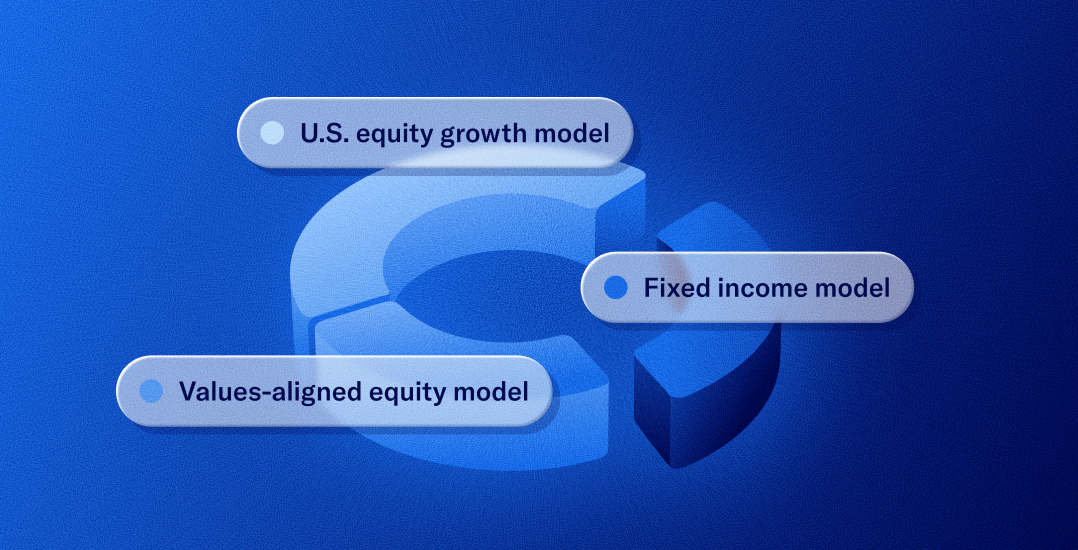
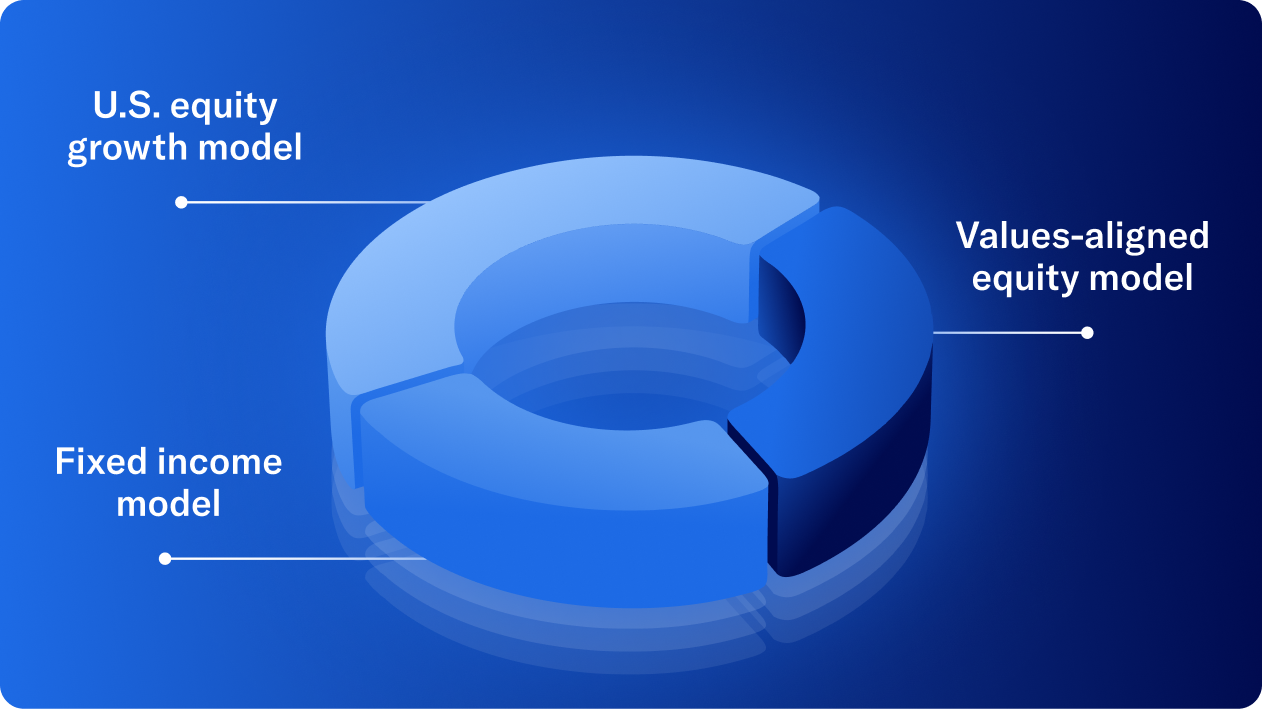
In between sits the unified managed account experience that will launch early this fall. Advisors will be able to blend first-party models, third-party models from the marketplace, proprietary firm models, and direct indexing sleeves into a single client portfolio. They will also be able to build around existing holdings, manage around legacy positions with embedded gains, and preview the full tax impact of a rebalance before trades execute.
Crucially, the platform's tax tools—tax-loss harvesting, drift controls, fractional shares, automated rebalancing—run across the full spectrum. Your clients get the same infrastructure regardless of where their portfolio sits on it.
Direct indexing is coming, without minimums or extra fees
We previewed direct indexing to pull back the curtain and show you what’s coming before the solution is available later this year. Betterment's direct indexing will offer three sleeves covering the U.S. market to start, available to drop into any client portfolio in any combination. There are no minimum asset sizes for advised accounts, and direct indexing is included in the platform fee—no add-on cost.
The feature that makes it genuinely useful for complex client situations: security exclusions. If a client is an officer of a public company, holds concentrated exposure elsewhere, or simply doesn't want dollars in a particular name, advisors can provide that instruction directly and the system will minimize tracking error around it. Exclusions aren't an edge case—they're built into how the offering works.
The system will take a sampling-based approach, aiming to find the most efficient number of positions at a given dollar threshold. No unwieldy index replicas. No noise cluttering a client's account.
Tax tools are already embedded—and more precise than most advisors realize
Tax efficiency has always been central to how Betterment's platform works. What the team walked through is how much granular control advisors already have over it, and how many of those tools are already running for their clients today.
The gains allowance feature lets advisors set a per-household or per-account cap on realized gains for the calendar year. Every automated rebalancing decision the platform makes gets evaluated against that number. Before any trade executes, advisors will soon be able to see exactly what will be sold, what will be purchased, what the after-trade drift will look like, and how the transaction tracks against the gains budget—with the ability to switch lot selection methodology and watch the numbers update in real time.
For advisors managing a long tail of clients who deserve sophisticated tax management but can't justify fully custom treatment for every account, this is what scalable personalization actually looks like in practice. The platform applies the same rigor at $50,000 that it applies at $5 million.
Coming soon: More control, more automation, more AI
In the webinar, we focused on what's available today, but several meaningful additions are on the way.
Direct indexing is launching later this year, with three sleeves covering the U.S. market. Advisors will be able to drop any combination into a client portfolio, with no minimum asset sizes and no add-on cost. Security exclusions are built in from the start, so advisors can account for concentrated positions, restricted securities, or client preferences — and the system is built to minimize tracking error around those instructions automatically.
Manual mode is also coming, giving advisors direct trade control for situations where automation should step aside. Buy or sell specific positions, choose a tax lot strategy, and route proceeds to cash or a linked bank account.
Beyond onboarding, AI is being built into more of the advisor workflow. Performance reporting, meeting prep, and client proposals tools are all areas where AI features are in development — with the goal of putting more of the platform's data to work for advisors before, during, and after client meetings.
And in the second half of this year, new advisor-facing controls over money movement are coming. Deposits, withdrawals, and transfers between accounts are all getting new tooling. The "sell directly to withdraw" flow shown in the demo is the first among other updates in our ambitious product roadmap to meet the needs of advisors.
Watch the full recording to learn more, or explore the platform.